Human Capital and Scientific Networks
Supporting researchers and students and reconnecting them with international networks.
Community initiative
Rebuilding Ukrainian astronomy and integrating it into the European Research Area.
Supporting researchers and students and reconnecting them with international networks.
Restoring and modernising observatories, instruments and shared data facilities.
Turning astronomical research into technology, skills and economic value.
Inspiring the next generation and sharing astronomy with the public.
A standing advisory board bridging the Ukrainian community and European partners.
The Recovery Plan for Ukrainian Astronomy is a first version and a shared vision, not a final document. Developed by the Ukrainian astronomical community over the past year, it sets out a long-term direction for rebuilding the field. Rather than restoring only what was lost, it treats recovery as a chance to build a more modern, internationally connected and resilient astronomy, structured around five directions: human capital and scientific networks, scientific and research infrastructure, innovation and economic development, education and public engagement, and implementation, governance and the European interface.
This is an open, evolving document, and we are in the middle of gathering feedback to make it better. Read the current version, then share your comments, criticism and ideas. Your input will help shape the next revision.
Recovery Plan
for Ukrainian Astronomy
Saving Astronomy in Ukraine is only possible thanks to the generosity and solidarity of the institutions and research infrastructures that support it. We are deeply grateful to everyone who stands with Ukrainian astronomers, sharing their expertise, resources and friendship as we rebuild the field together.





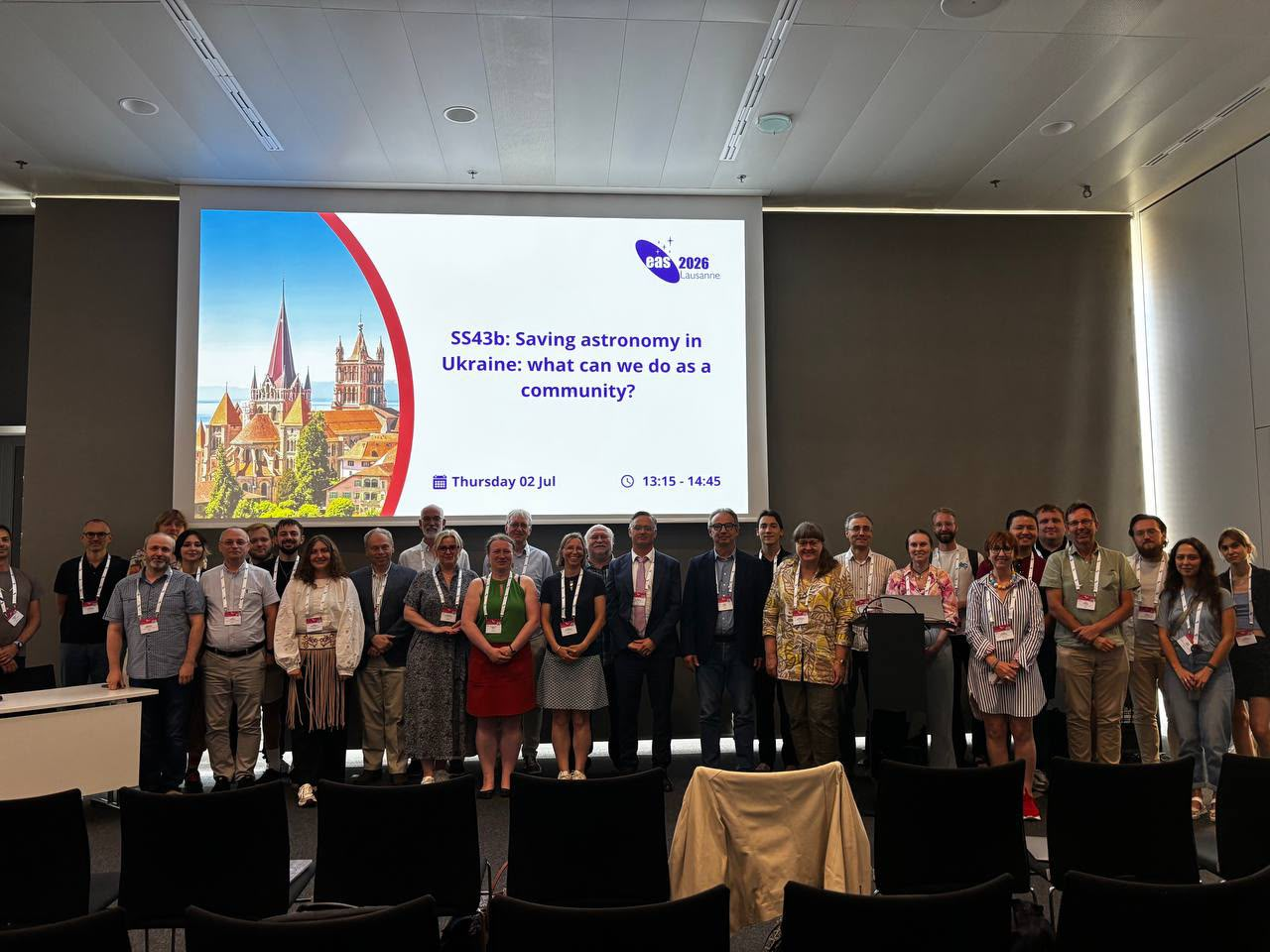
At the European Astronomical Society Annual Meeting (EAS 2026) in Lausanne, the Ukrainian astronomical community and colleagues from across Europe met during the special session "Saving astronomy in Ukraine: what can we do as a community?" to discuss the future of Ukrainian astronomy and identify concrete steps towards its recovery and long-term integration into the European Research Area.
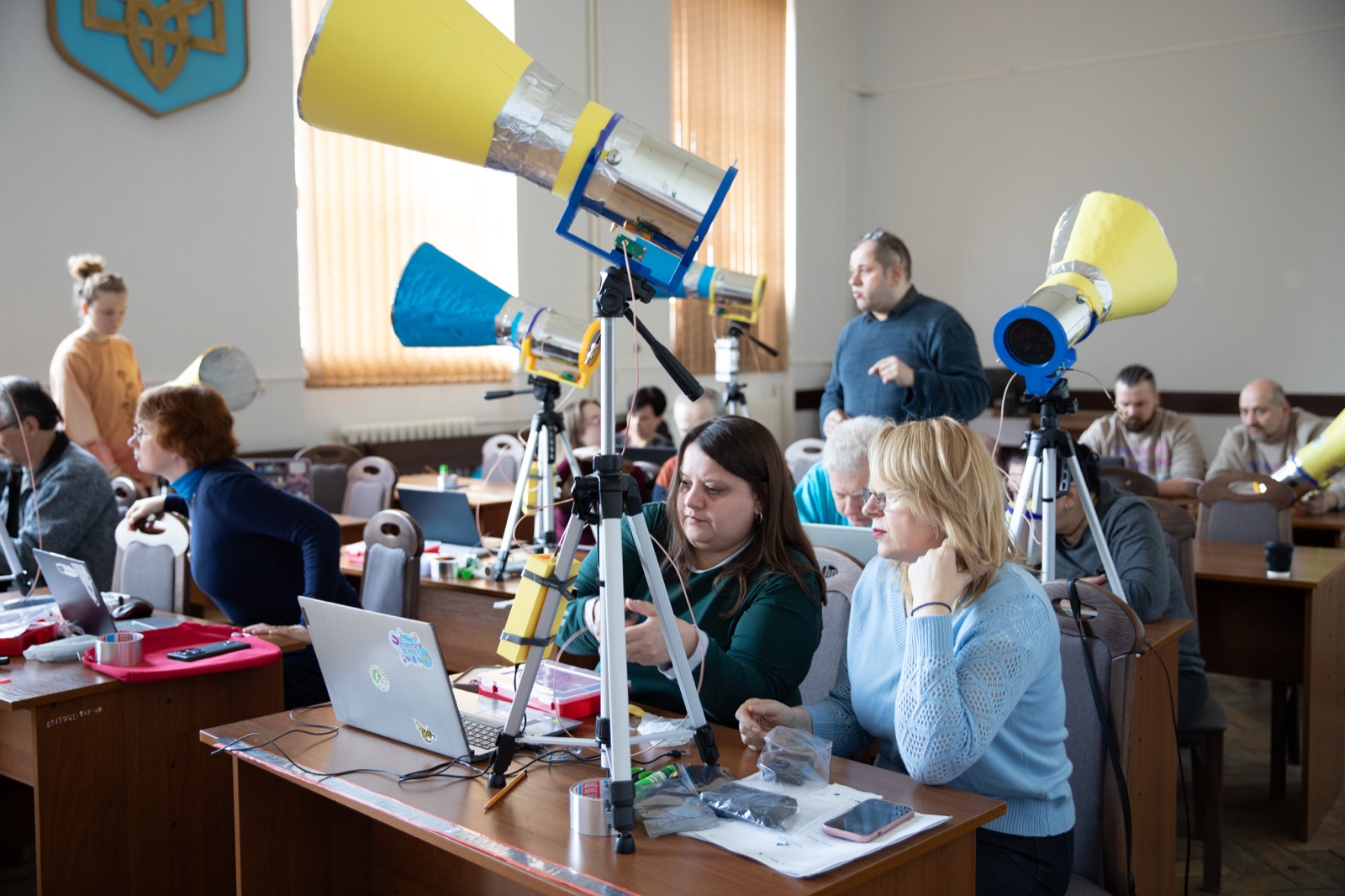
Within the Recovery of Ukrainian Astronomy, DESY Director for Astroparticle Physics Christian Stegmann and Dr. Stefan Ohm (DZA) visited Lviv, signed an extension of the letter of intent with Ukrainian partners, now joined by the Junior Academy of Sciences of Ukraine, and held a radio astronomy training for teachers from across Ukraine.
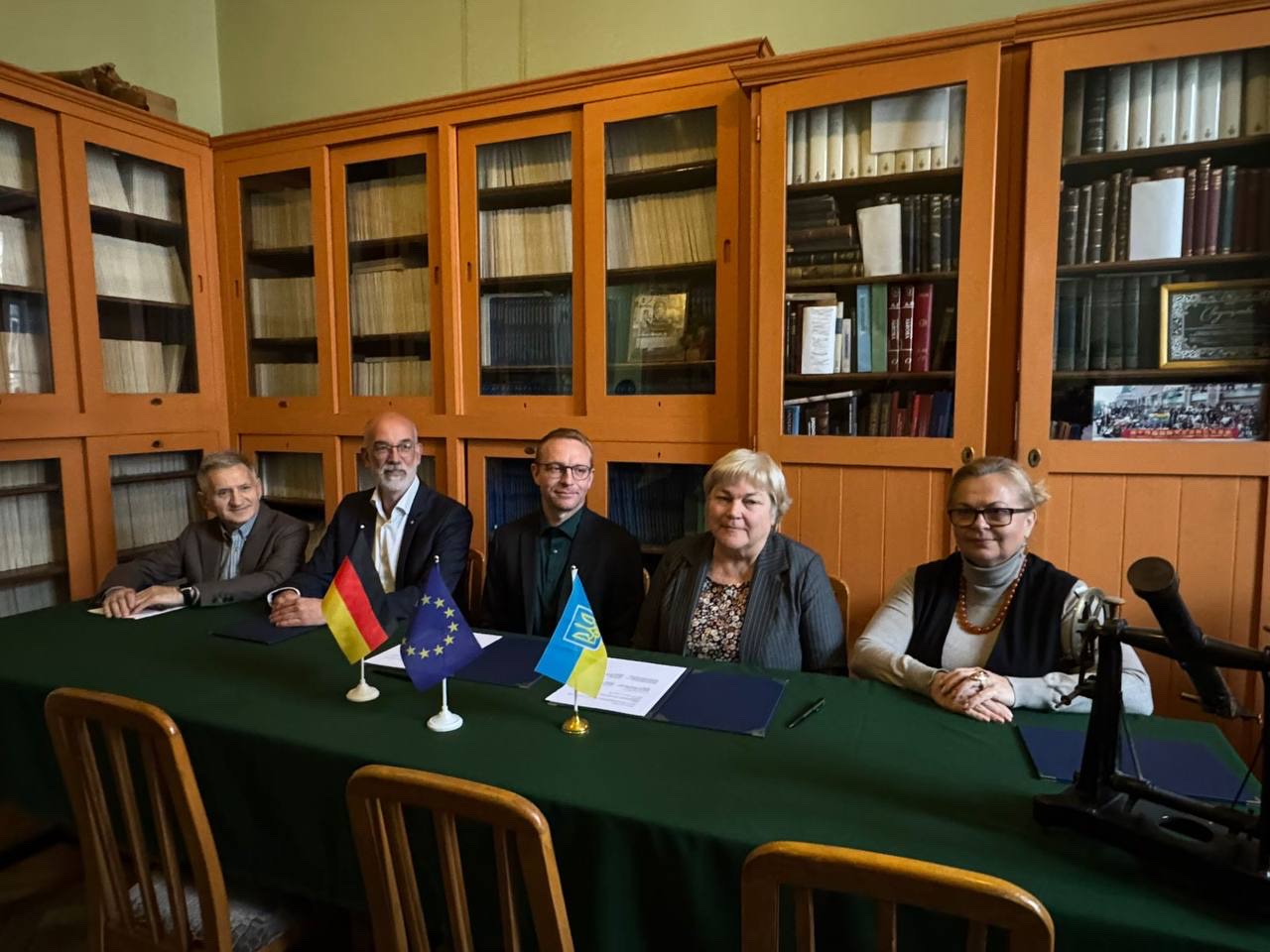
Within the Recovery of Ukrainian Astronomy, the Ukrainian Astronomical Association signed a letter of intent in Lviv with European partners DESY and the German Centre for Astrophysics (DZA) to support the recovery and strengthening of Ukrainian astronomy, alongside meetings with the city's universities and students.
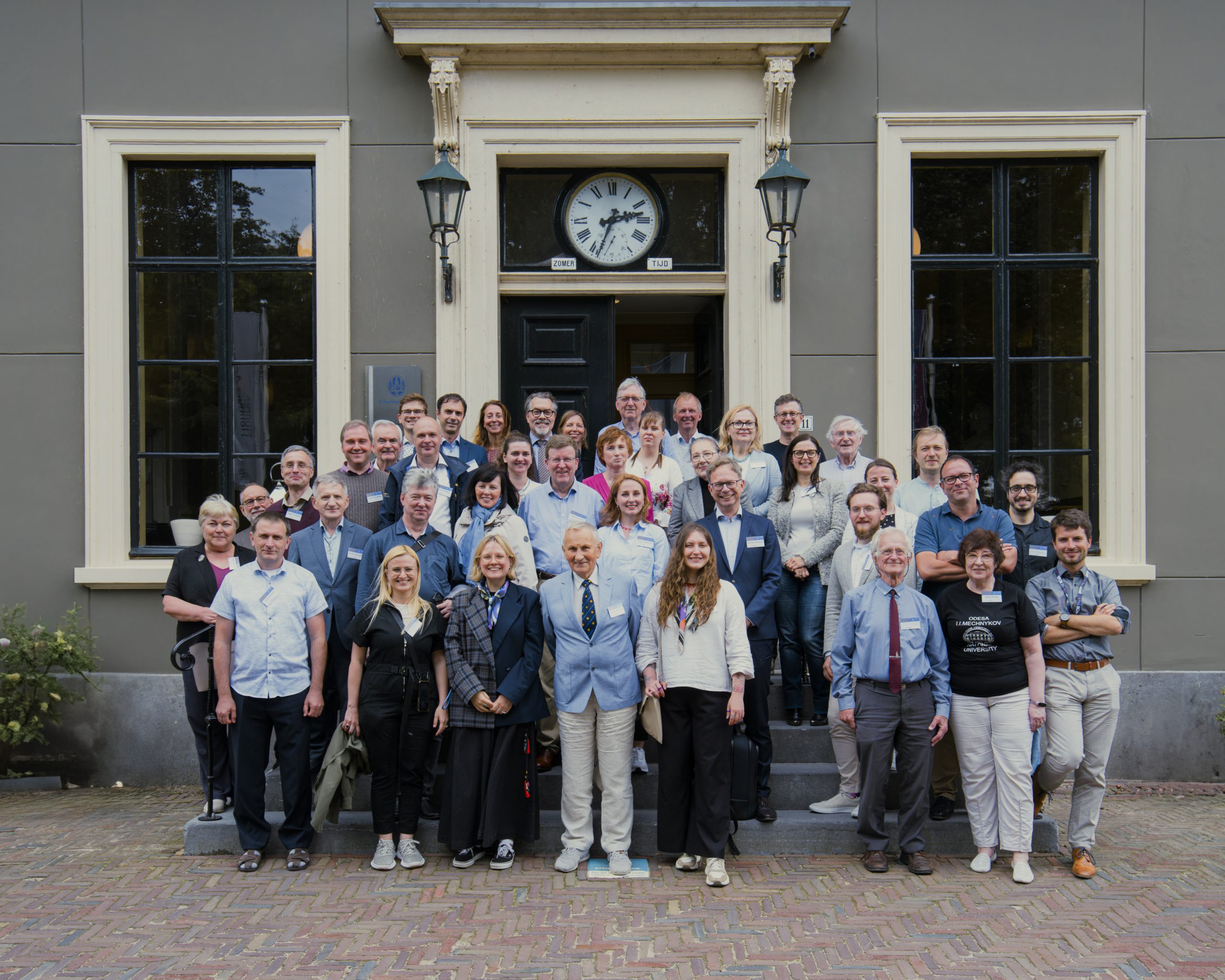
The recovery effort took shape at the meeting "Recovery Plan for Ukrainian Astronomy", hosted by Leiden Observatory and the IAU European Regional Office of Astronomy for Development (IAU-EROAD). Ukrainian astronomers opened a dialogue with European colleagues on rebuilding the field, summarised in a Nature Astronomy article.
Astronomy in Ukraine is carried by institutions with histories going back to the 18th century: the observatories and institutes of the National Academy of Sciences, and, at the universities, the observatories and the teaching departments, which are separately constituted units. Their profiles, presented by their own representatives at the Leiden meeting, are collected on a dedicated page.
National Academy of Sciences of Ukraine
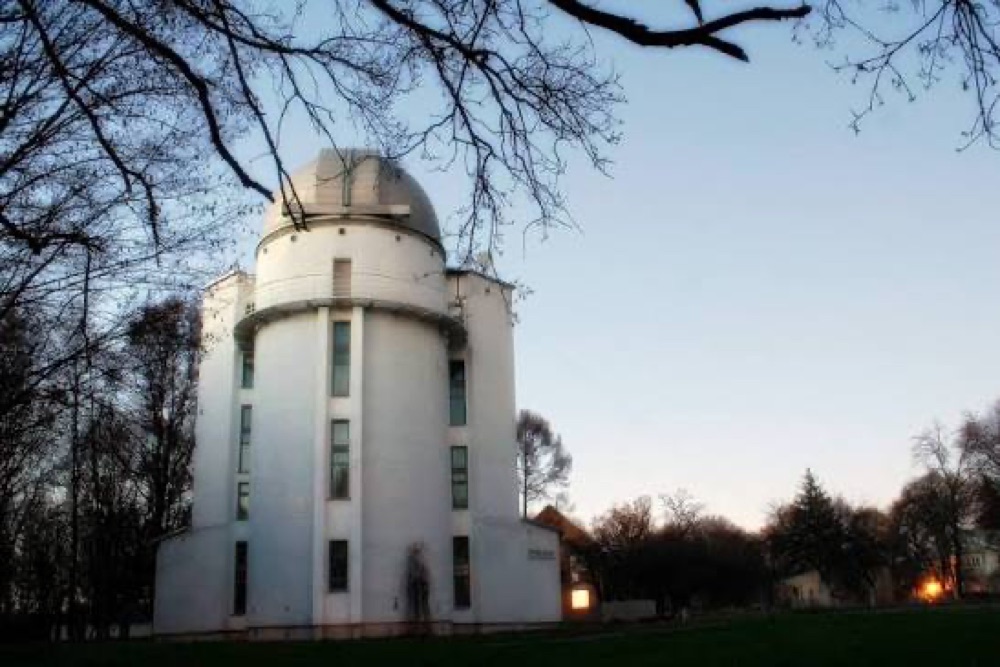
Kyiv
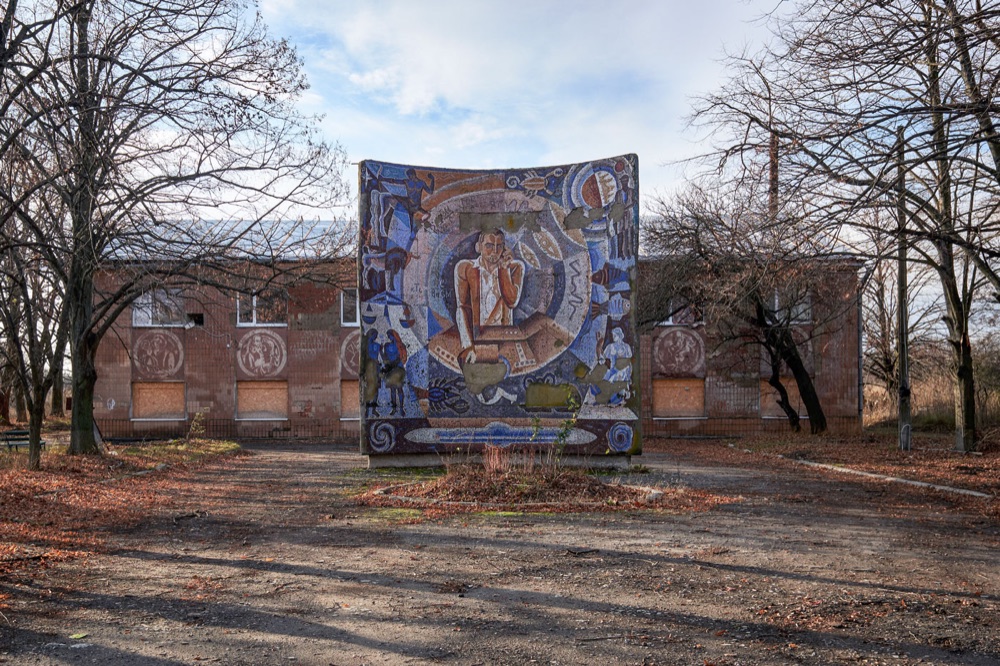
Kharkiv
University observatories and research institutes
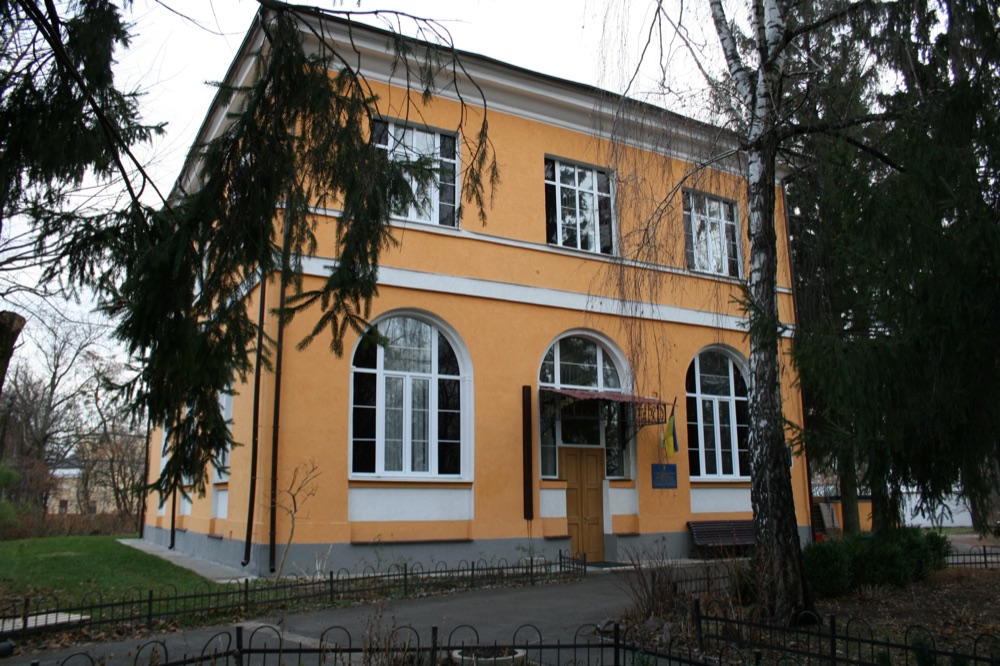
Kyiv
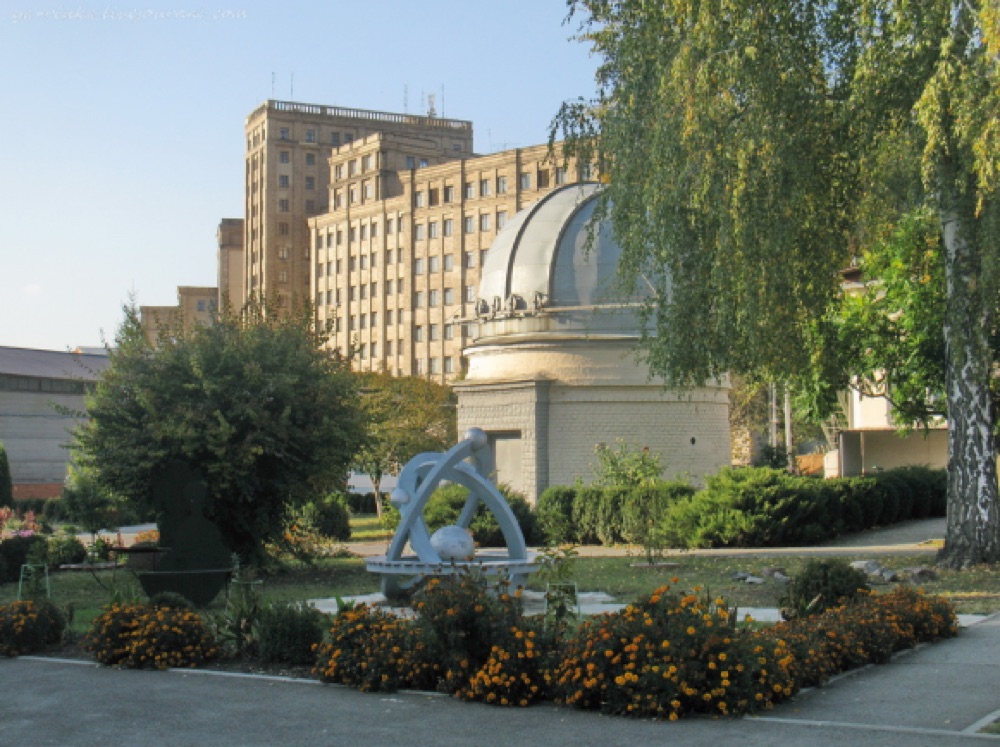
Kharkiv
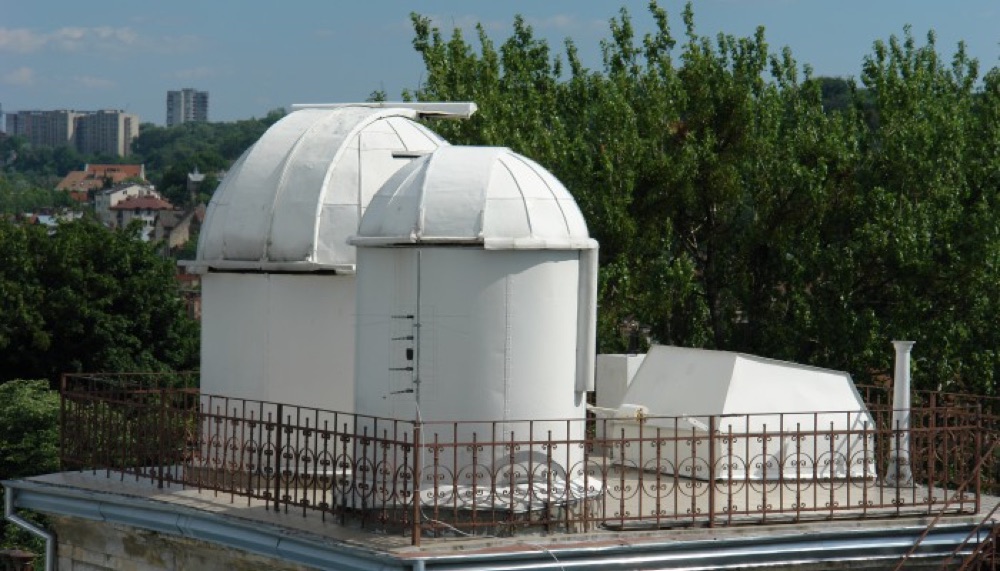
Lviv
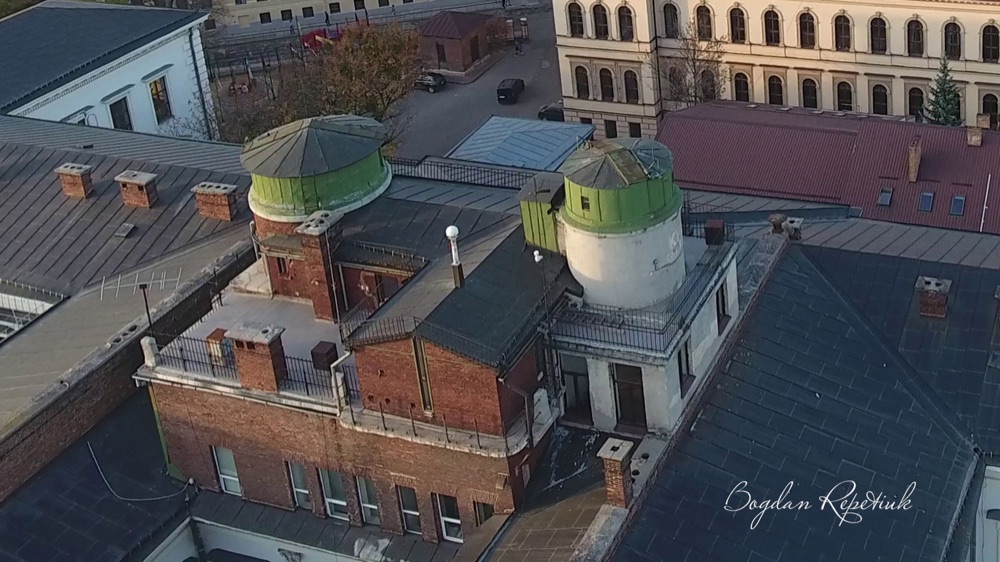
Lviv
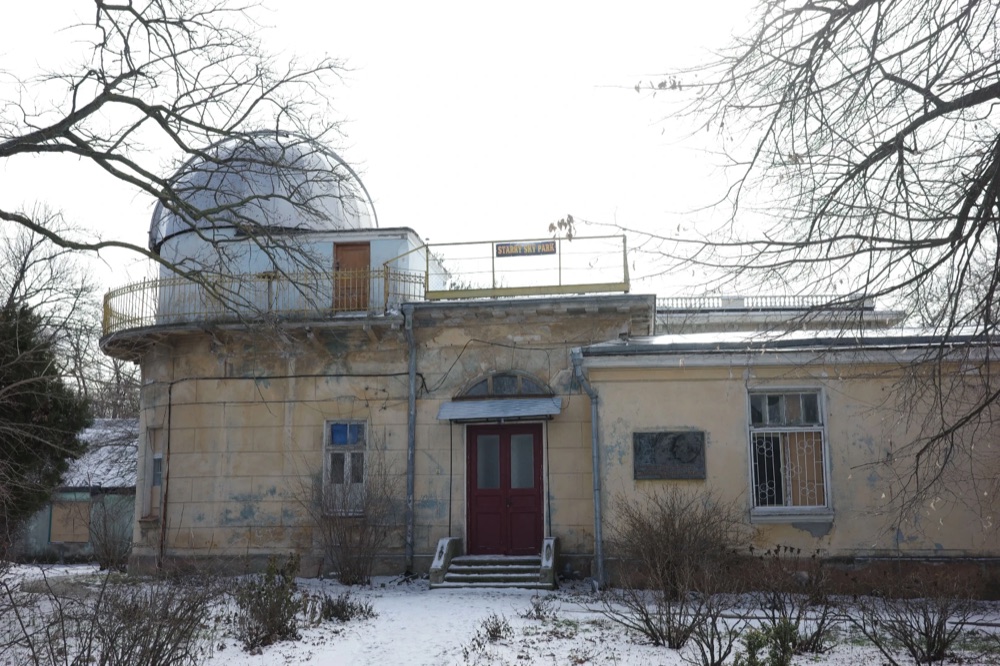
Odesa
University departments and faculties
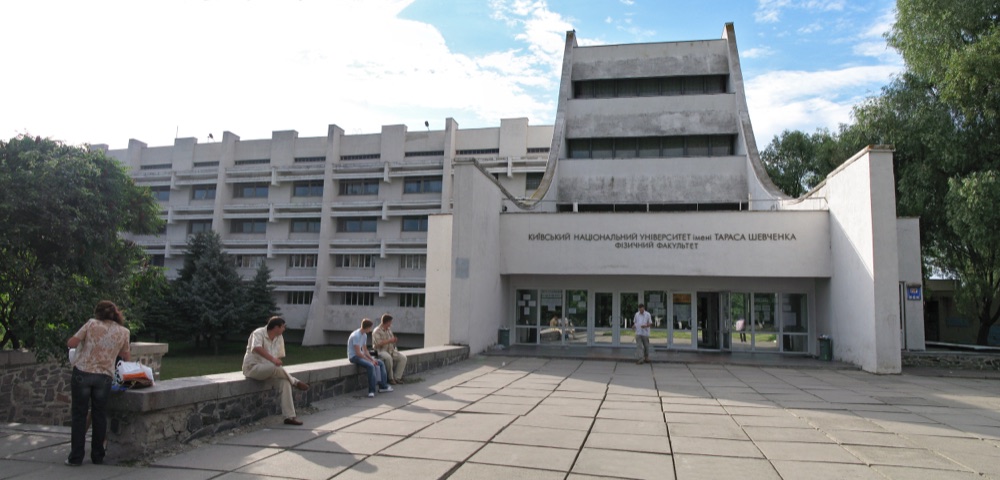
Kyiv
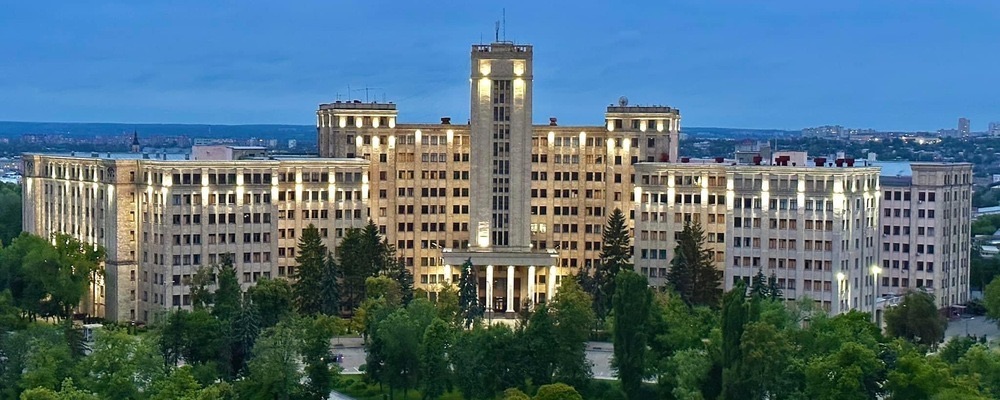
Kharkiv
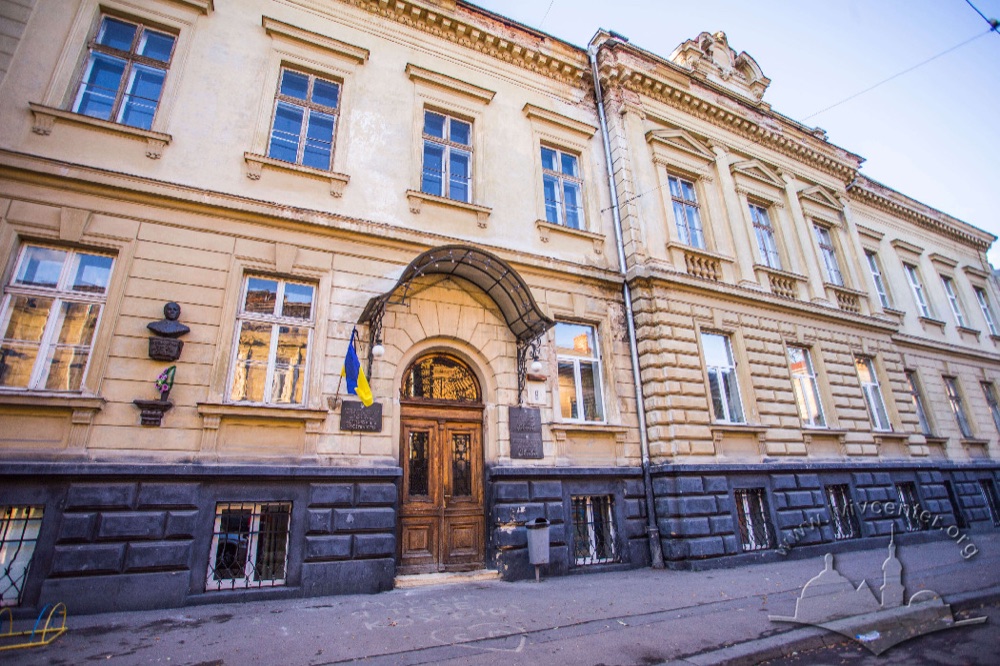
Lviv
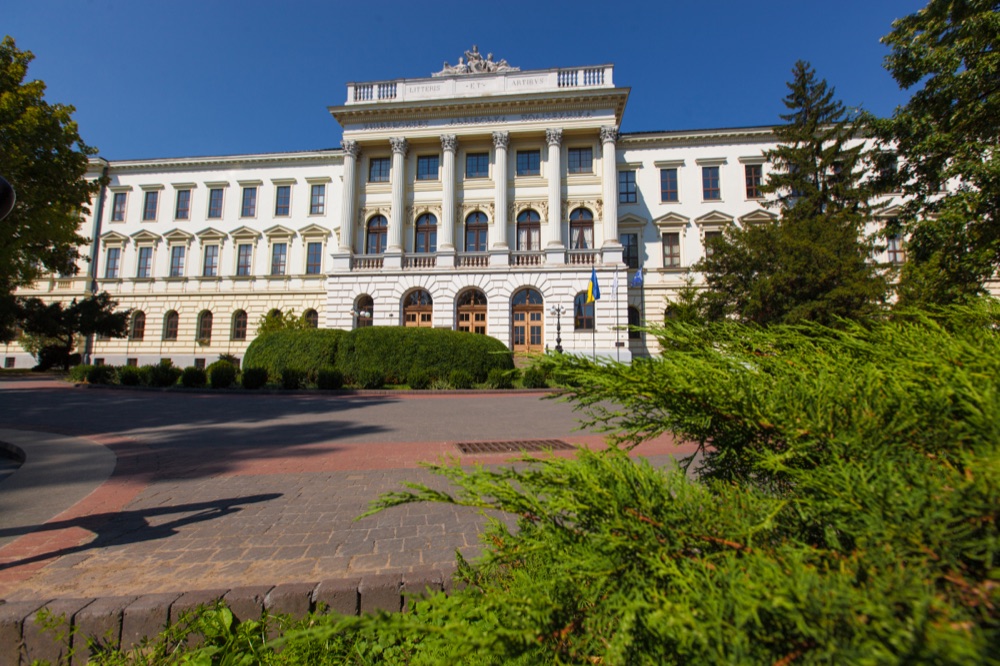
Lviv
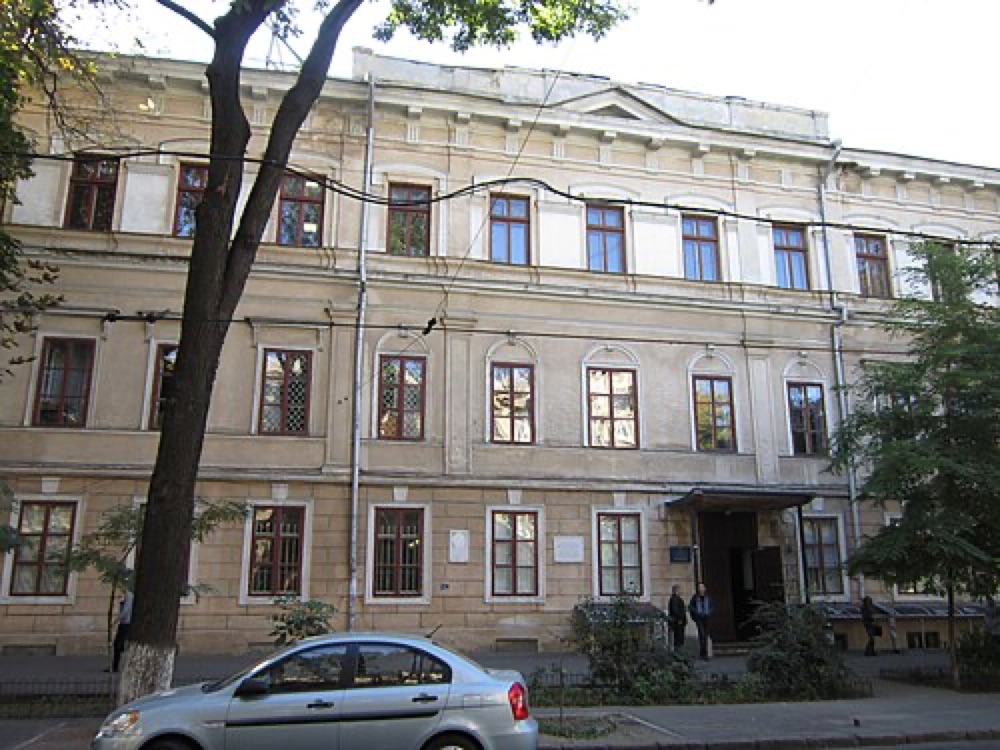
Odesa
What Ukrainian astronomy has, and what the war has done to it.
Research infrastructure
The key telescopes and instruments of the field: the UTR-2 decametre radio telescope, the world's largest, with the URAN and GURT arrays, university optical observatories and suburban stations, solar instruments, laser ranging and GNSS facilities down to Antarctica.
Why recovery is needed
Researchers displaced or under arms, observatories occupied and damaged, budgets and student numbers falling, and a community that keeps publishing and observing through all of it. The reason this initiative exists, in numbers and facts.
Joint projects carried out under the umbrella of the Recovery of Ukrainian Astronomy turn the plan into practice, together with European partners.
Affordable educational radio telescopes for schools and universities in Ukraine, and a network of trained teachers who build and use them. A project by DZA and DESY with the Junior Academy of Sciences of Ukraine, Lviv Polytechnic and the UAA, supported by the Dr. Hans Riegel Foundation. The first teacher training took place in Lviv in April 2026.

Communities and initiatives that are part of the Recovery of Ukrainian Astronomy, keeping the field and its next generation alive.

Educational community
A community of Ukrainian astronomers that helps schoolchildren across Ukraine learn astronomy through online courses, videos, olympiad training and the annual "Astronomy Battles". Education and public engagement, one of the directions of the recovery, kept alive through the war.

Conference
An international conference on astronomy and space physics held in Kyiv since 1994, run by and for students and early-career researchers. A first step into the international community for many young Ukrainian astronomers, kept running through the war.
Beyond the recovery effort, Ukraine has a vibrant astronomy and space community. Here we highlight projects, communities and events that we think European colleagues should know about, to show the variety and energy of the field in Ukraine.
Hackathon
The Kyiv edition of NASA's International Space Apps Challenge, the world's largest space and science hackathon. Ukrainian teams have repeatedly reached the global winners' circle, most recently in 2024. Organised locally by Roman Malkevych.
Conference · Odesa
An annual international conference in Odesa, the birthplace of George Gamow, running for more than a quarter of a century and spanning cosmology, astrophysics, radio astronomy and even astrobiology.
Conference · Kyiv
The annual international conference of the Astronomical Observatory of the Taras Shevchenko National University of Kyiv, held in hybrid format and explicitly welcoming young scientists.
Summer school · Kyiv
"Through the Milky Way into the Universe": a school for students run by the Council of Young Scientists of the Main Astronomical Observatory together with SISSA, with backup power so blackouts cannot stop the lectures.
Readings · Kharkiv
Regional readings in Kharkiv where school pupils and students present their own astronomical research, often their first scientific talk, continued online through the hardest years for the city.
Olympiad · Kyiv and online
An open olympiad run by the Department of Astronomy and Space Physics in Kyiv since 2007, with an internet qualifying round and a final of theoretical and practical rounds, open to students and pupils of any age.
School olympiad · Ukraine-wide
The national school competition, run in four stages from school to national final, from which the Ukrainian team for the International Olympiad on Astronomy and Astrophysics is selected.
Research competition · Ukraine-wide
School pupils carry out their own research projects and defend them before a jury. The Physics and Astronomy department includes sections on astronomy and on aerophysics and space research.
We are setting up a shared initiative email address. In the meantime, please use this temporary contact:
Pavlo Plotko
International Scientific Affairs, German Centre for Astrophysics (DZA)